2 = Site map
3 = New on the website
4 = About OPC
5 = The Privacy Act 1993
6 = Your privacy rights
7 = Privacy for agencies
8 = Data breaches

-
Privacy Act 2020
- Principle 1 - Purpose for collection of personal information
- Principle 2 - Source of personal information - collect it from the individual
- Principle 3 - Collection of information from subject - what to tell the individual
- Principle 4 - Manner of collection
- Principle 5 - Storage and security of information
- Principle 6 - Access to personal information
- Principle 7 - Correction of personal information
- Principle 8 - Accuracy of personal information
- Principle 9 - Retention of personal information
- Principle 10 - Limits on use of personal information
- Principle 11 - Disclosure of personal information
- Principle 12 - Disclosure outside New Zealand
- Principle 13 - Unique identifiers
- Codes of practice
- New Zealand - EU data protection adequacy
- Section 30 authorisations
- Comparing the Privacy Acts - 1993 and 2020
-
Your privacy rights
- Protect your personal information
- What are your privacy rights?
- Ask for your information
- AboutMe (Request My Info Tool)
- Correct your information
- Sorting out privacy problems
- Complain to another agency
- Complain to the Privacy Commissioner
- How we settle complaints
- Complaint or privacy breach?
- How we'll work together
- Other complaint options
- The Human Rights Review Tribunal
- Reasons we won't investigate
-
Privacy for agencies
- Complying with the Privacy Act
- Collecting personal information
- Holding personal information
- Working with sensitive personal information
- Charging for access to personal information
- Using and disposing of personal information
- Sharing personal information
- Releasing information to Police and law enforcement agencies
- Sending information overseas
- Responding to access requests for CCTV footage
- Responding to requests for a child or young person’s personal information
- Privacy tools for agencies
- Poupou Matatapu: doing privacy well
- Privacy Statement Generator
- Privacy Impact Assessments
- Handling privacy complaints: a step-by-step guide
- Information for Privacy officers
- Privacy support and networks
- Sorting out privacy breaches
- Resources and learning
- Tūhono│Connect
- About OPC
- Focus areas


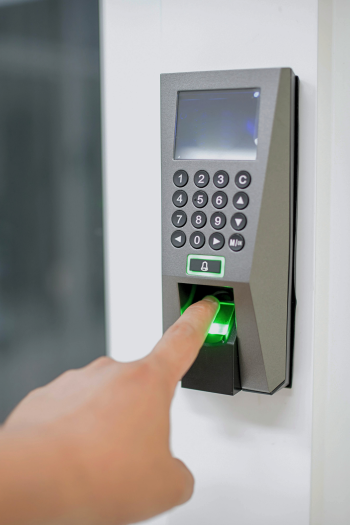 Fingerprint scan for Multi Factor Authentication (MFA)